
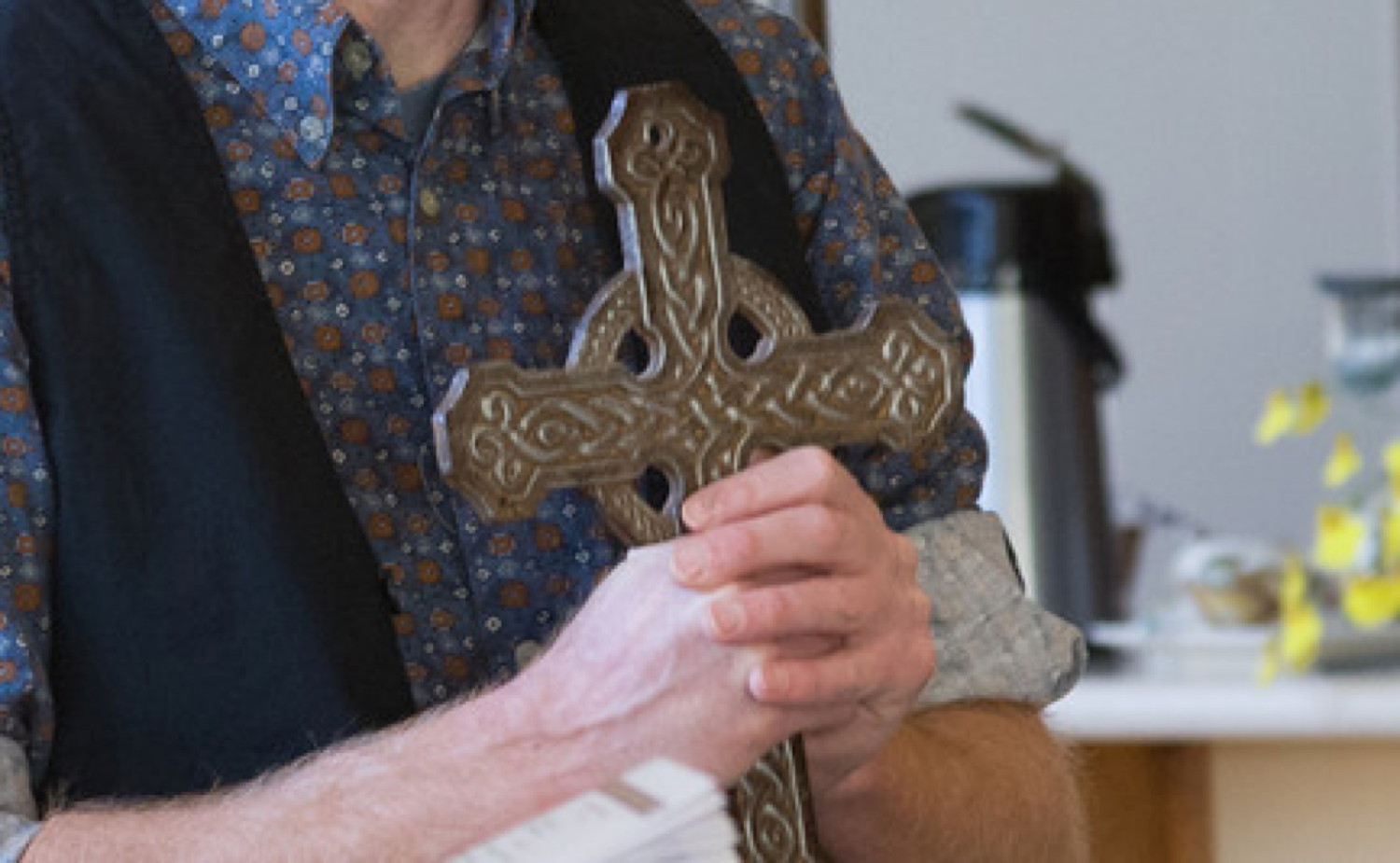
Our worship is liturgical and sacramental, Evangelical and Reformed, and Orthodox and charismatic.
This video is a creative way of getting in touch with what goes on in a Procession to Heaven. "The video begins with scenes of an ancient battle – the backstory of how the good world got broken. Then we're caught up into "heaven," to Asgard, to a magnificent city of majestic and supreme grandeur. Assembled in a grand hall are the city's leading citizens. Down the center isle comes Thor in jubilant, celebratory procession in anticipation of being crowned a king." (From Epic Living)
Worship that connects heaven and earth is sacramental, scriptural and Spirit-led.
Liturgy means “the work of the people.” This implies action, engagement and participation, not just words. Because we are convergent, our Basileian mode of worship, be it Sunday Eucharistic worship or other Eucharistic assemblies such as membership ceremonies (i.e., weddings, baptisms, etc.), is liturgical and sacramental in ways that are Evangelical and Reformed as well as Orthodox and charismatic.
The Liturgy expresses our Basileian charism. In the Liturgy we journey with passion, assemble in a convergent way, listen to wisdom, receive empowerment to govern and serve to advance transformation.
Therefore, all expressions of Basileia, following the historic pattern of the Church's Liturgy, order their Eucharistic worship in the following five-fold way:
Journey to the Mountain
Call to Worship
- Procession to Heaven
Assemble as the Church
Ordering and structuring of the people now gathered by means of an opening salutation, prayers, confession and pardon and various sign-acts signifying that the Church is assembled and now constituted as the Church with all offices present (bishop, presbyters, deacons and baptized laypersons)
Listen to the Word
Reading of Scripture according to the lectionary as grounded in the Church Year
- Commentary on the Scripture
- Creedal Confession
- The Peace
Govern from the Table
He Took
- Offering (including tithes and offerings and the bread and wine)
He Blessed
- Sursum Corda (“Lift up your hearts”)
- Preface
- Sanctus (“Holy”)
- Anamnesis (“Remembrance”)
- Words of Institution
- Epiclesis (“Invocation” of the Spirit)
- Intercession before receiving the bread and wine praying the The Lord’s Prayer and/or the Agnus Dei
He Broke
- Breaking of the bread
He Gave
- Invitation and distribution of the bread and wine
- Intercession after receiving the bread and the wine, also known as “The Prayers of the People”
Serve the Church and the World
Blessing
- Commissioning
In the name of Christus Victor. Amen!

The more I immerse myself in the universal language of myth and legend the more alive Scripture becomes, the more mystically transformative the sacraments and the Liturgy become, and the more clear the speaking of the Holy Spirit becomes.
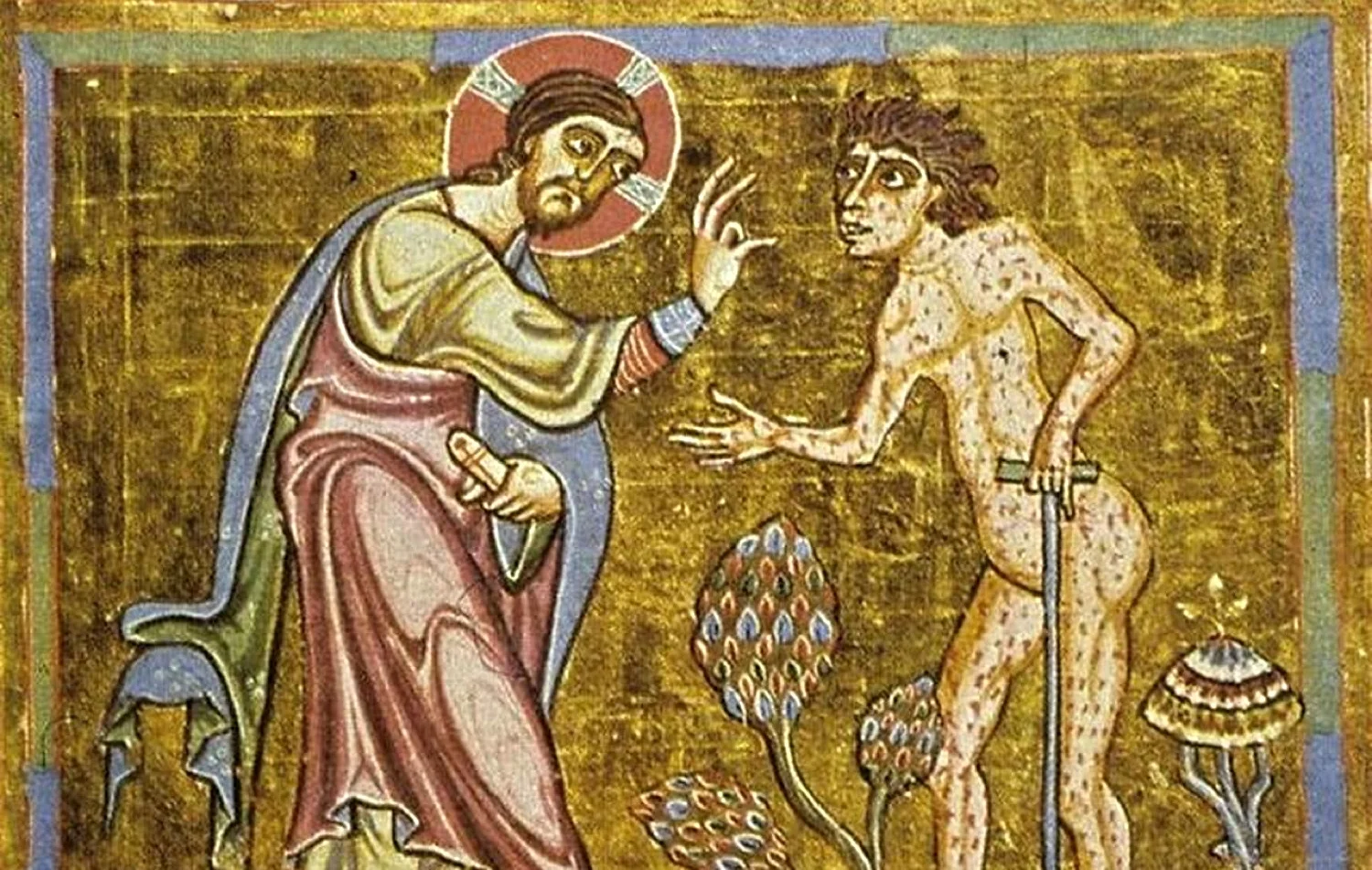
Giving ourselves to the epic quest of embodying God in our leprous bodies is how we exhaust evil.
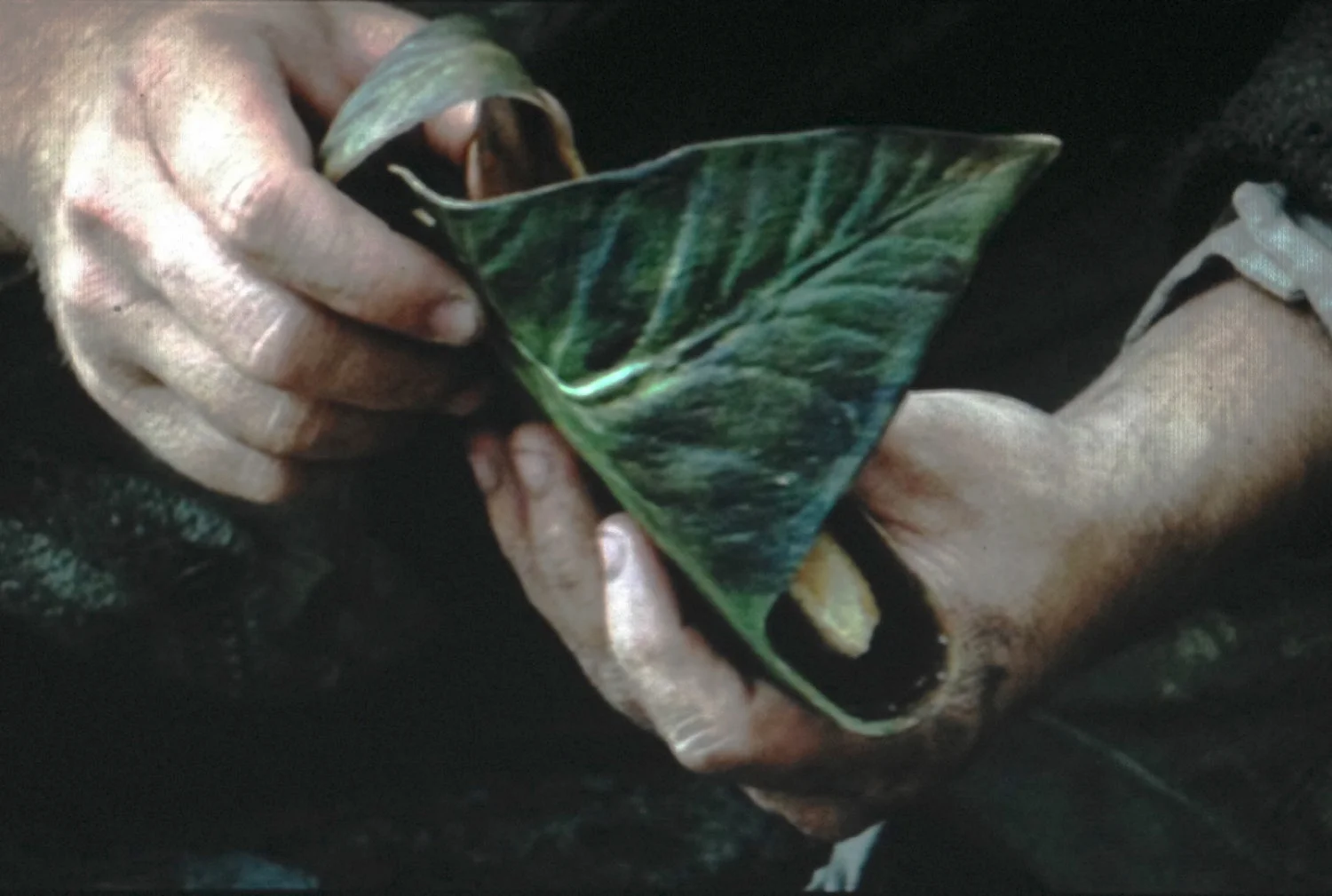
The Father’s language is way more wild, controversial, deeply mystical, and outright outrageous than mortal minds can handle. Thus, to hear and learn from the Father we must first eat what Tolkien calls lembas, the waybread of Elves.

Both the Kingdom of God and the Kingdom of Satan, like white and black pieces on a chessboard, are at war over whose world system shall rule creation.
Romantic fiction and science fiction give us the key that puts into proper perspective rulings like those of late by the U.S. Supreme Court redefining marriage. The key? Heroism.
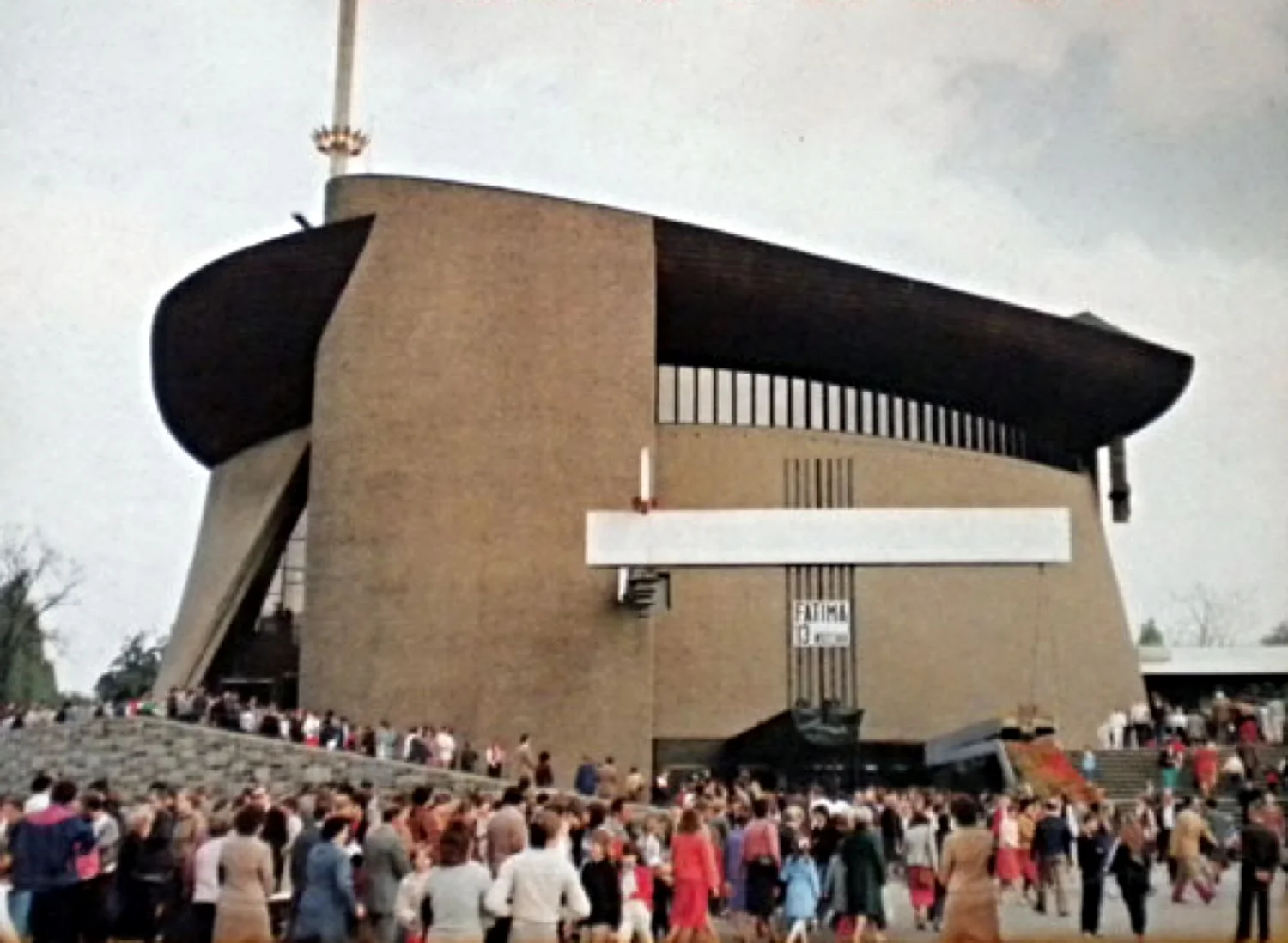

The Roman Empire didn’t have a problem with Christian believers, but with Christian worshipers.

It doesn't matter if you're sailing a boat, smacking a tennis ball, kicking a football, climbing 8,000 meter peaks, playing chess, or drinking Christ’s blood from a chalice served by a priest in the Eucharistic worship of the Church. We’re all playing the same game for the same prize.
Providentially, only two days before watching the movie, Lucy, for the first time in my life I encountered the phrase, “the drug of immortality,” but not from a Hollywood scriptwriter.

Spiritualistic and materialistic notions of the world are scandalous. They both suffer from an underdeveloped sense of the Resurrection as an accomplished fact. The image of God in us isn’t just a “spiritual” reality, but also one for the physics books.
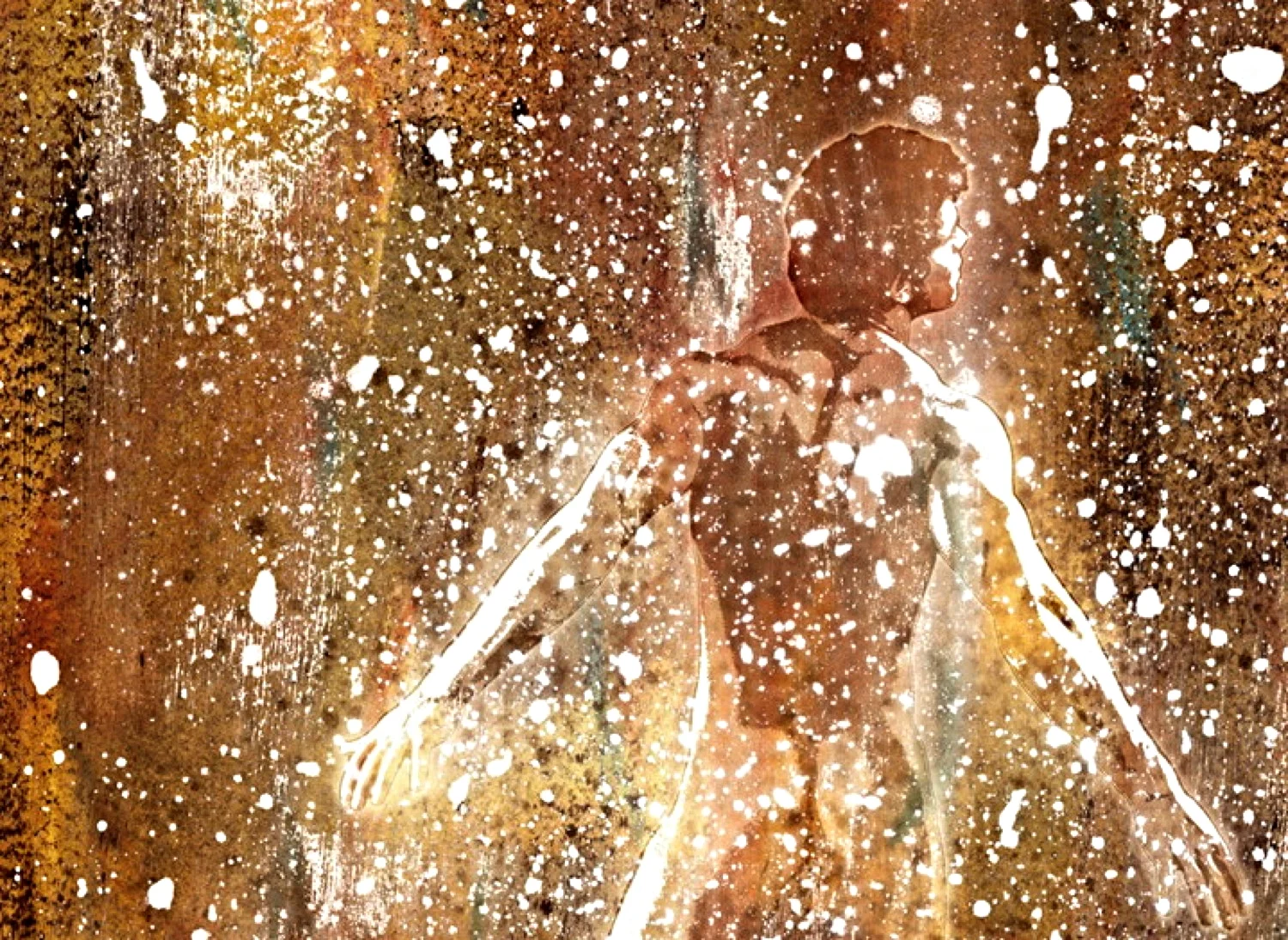
Having faith in God doesn’t magically make the world a better place. Having God’s faith in humanity does.
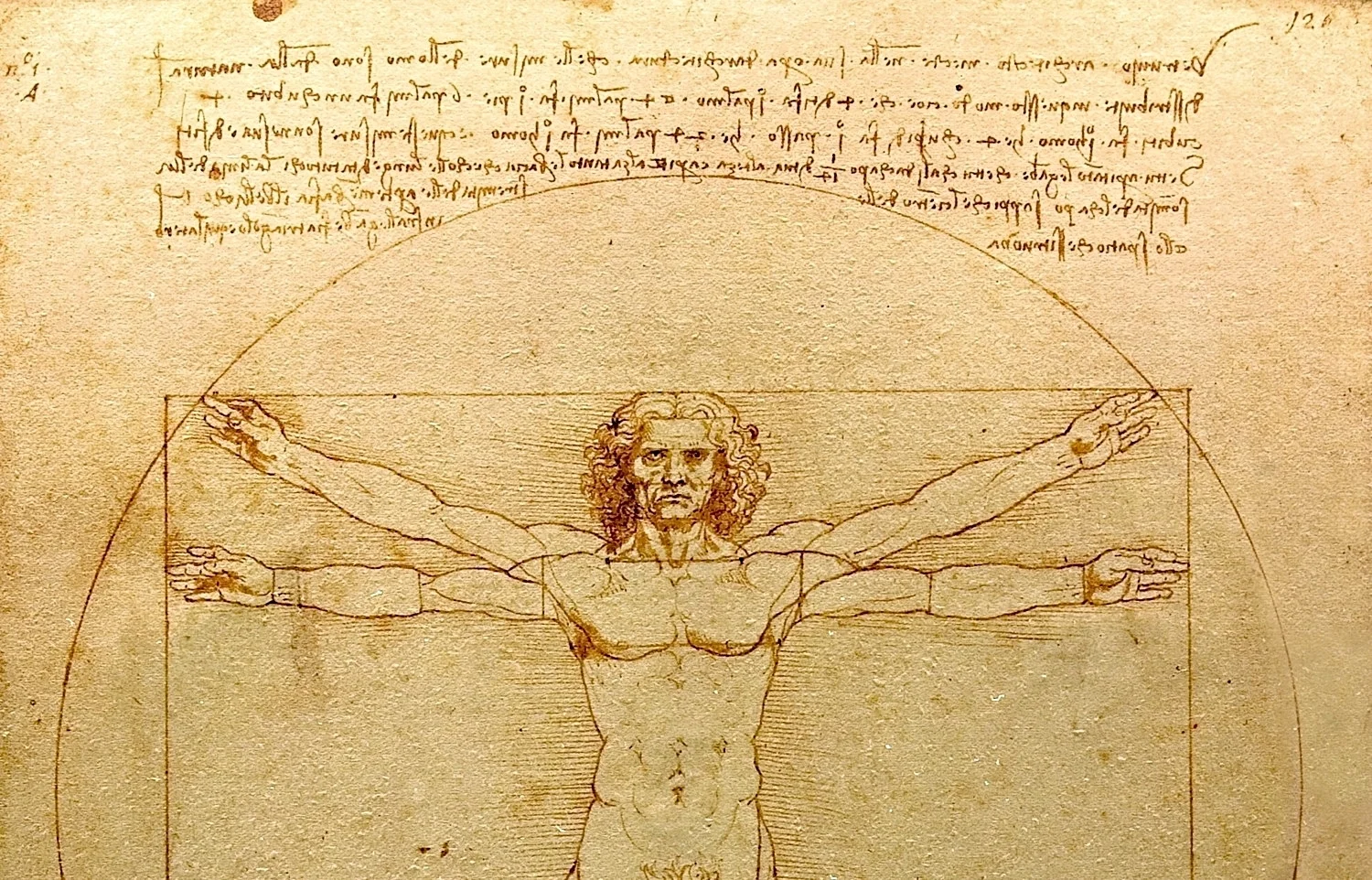
"Circle me, Lord." The First Adam didn’t pray this way nor invite his wife to join him in such a prayer. However, the Second Adam does pray this way and invites his bride, the Church, to join Him in praying this way too.
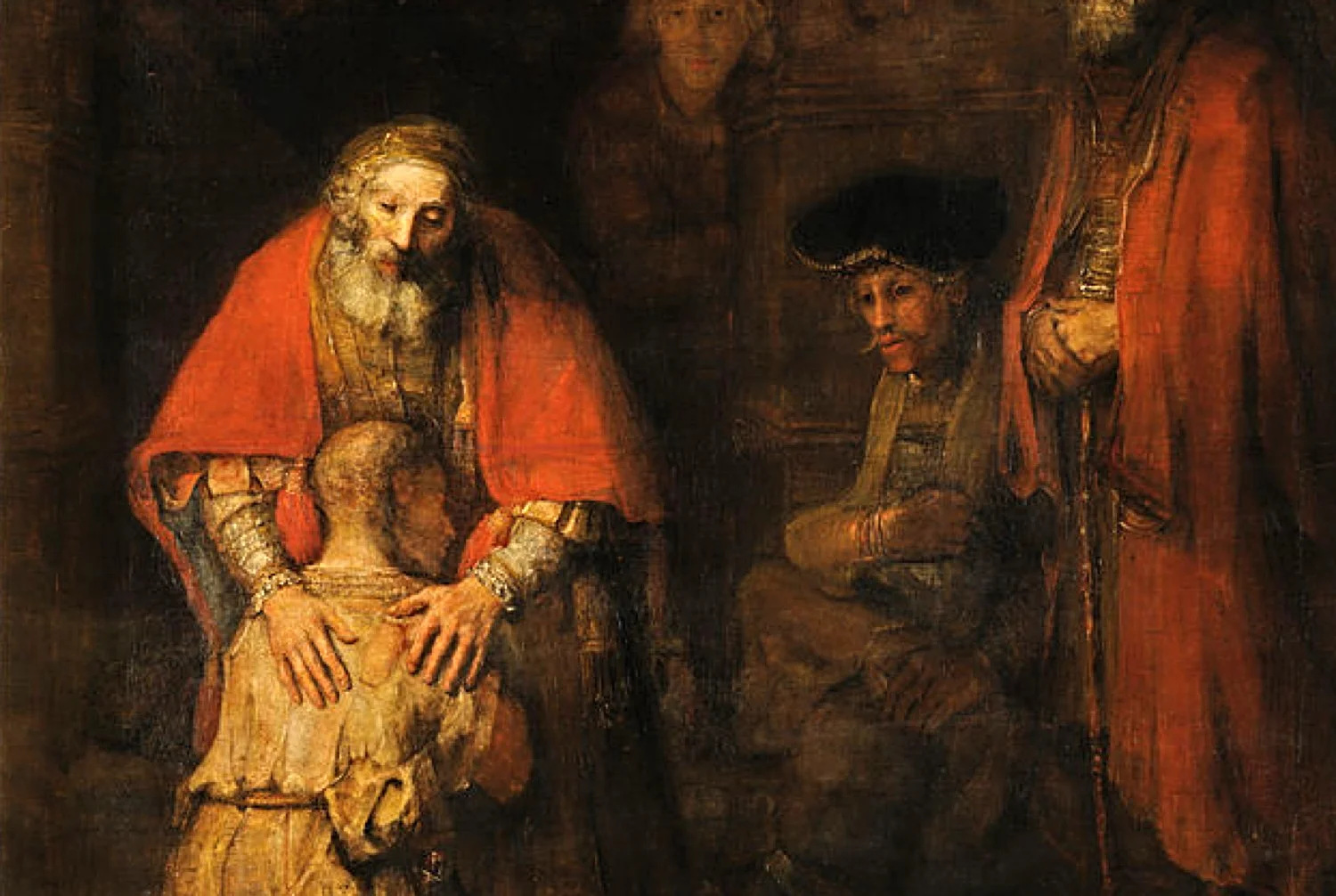
Forbidden fruit never satisfies. The more we eat, the hungrier we get. We’re at a turning point. Something big’s happening. We’re losing a taste for formulas. The prodigal son is coming to his senses.
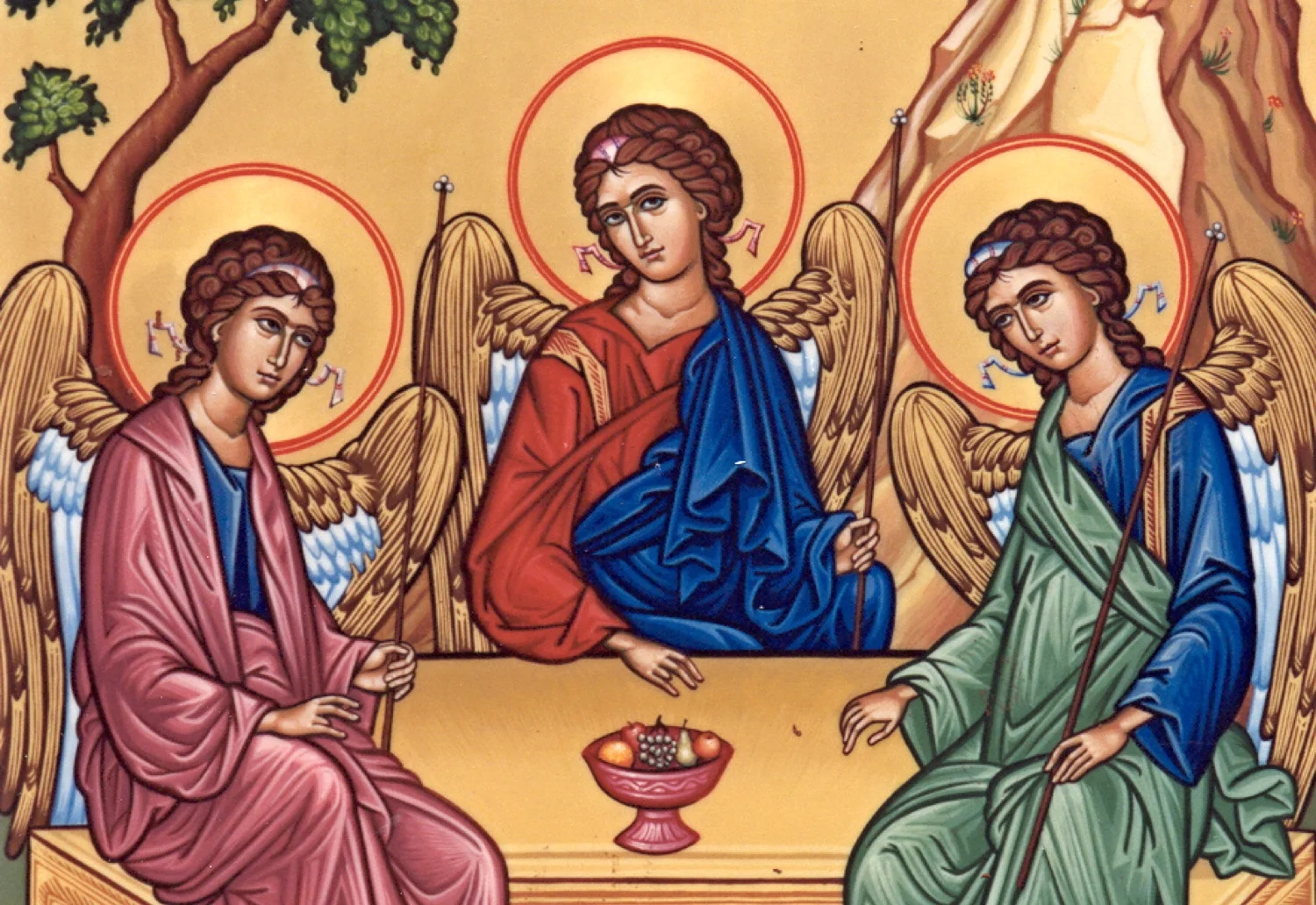
Arising out of a common desire and hunger to experience the fullness of Christian worship and spirituality, the Convergence Movement seeks to blend or merge the essential elements in the Christian faith represented historically in three major streams of thought and practice: the Charismatic, Evangelical/Reformed and Liturgical/Sacramental.

As a Soul Friend, Tim is forming a colony of heaven on earth by giving people a place to belong in order to believe instead of requiring them to believe before they can belong.

In all great stories, there is a point where the hero and his or her friends make a costly choice. Contrary to the instinct for self-preservation, they take dangerous paths into the heart of darkness to destroy evil and save the world.
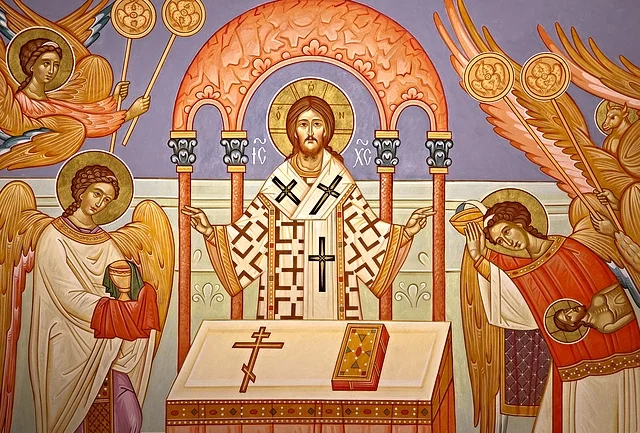
The mission to restore all things is the spirit and pattern of liturgical Eucharistic worship. Replacing the Fallen World System with the Kingdom of God is the joy of worship.
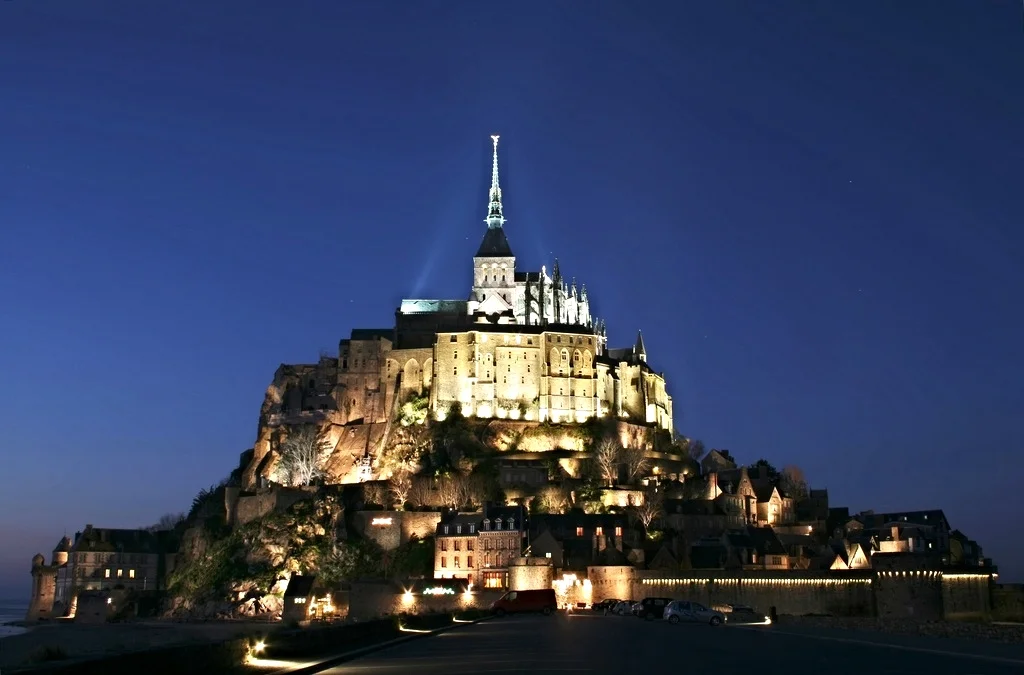
Subcultural and countercultural forms of denominationalism effectively say yes to Hades and to hell with the Church. Kingdomculture dares to say yes to the Church and to hell with hell.
When we’re about the ultimate business of running our own city, we no longer “go to church” or “go to work” or “go to the store” or “go to school” as exiles, but go from Church into our own city to embody the Kingdom of God in our various specialized vocational callings seven days a week.

Our destiny, your destiny, my destiny is to shine like the sun in the kingdom of the Father. Dare to imagine that. Dare to imagine becoming by Grace what God is by nature. As St. Athanasius says, Christ became “incarnate” so we might be “ingodded.”

The covenantal nature of mankind as created in God’s image with both an individual and collective nature is foundational to understanding the nature of male-female equality and the nature of male headship, respectively.
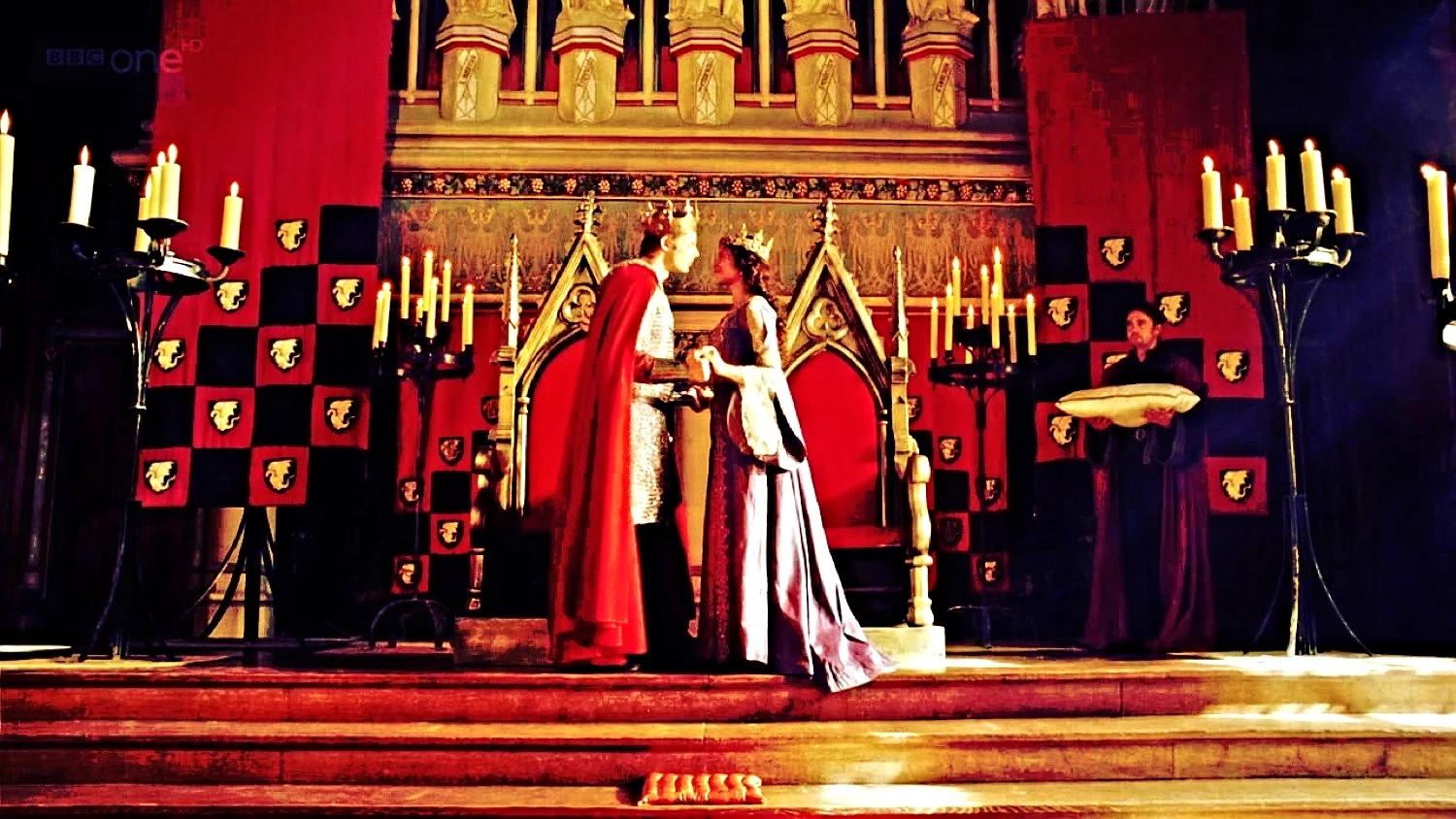
The Covenantal view of how men and women exercise individual and collective governance is an area of profound confusion today.
In addition to the false dichotomy between “local church” and “mission church” we also face a great challenge in the false dichotomy between individual freedom and collective order in membership.
Basileia's Canons are the ecclesiastical standards by which we govern ourselves in unity with and accountability to Christ and His Church.
Six ecclesial jurisdictions give expression to our charism: • The Alliance • Communities • Fellowships • Abbeys • Societies • Chapters
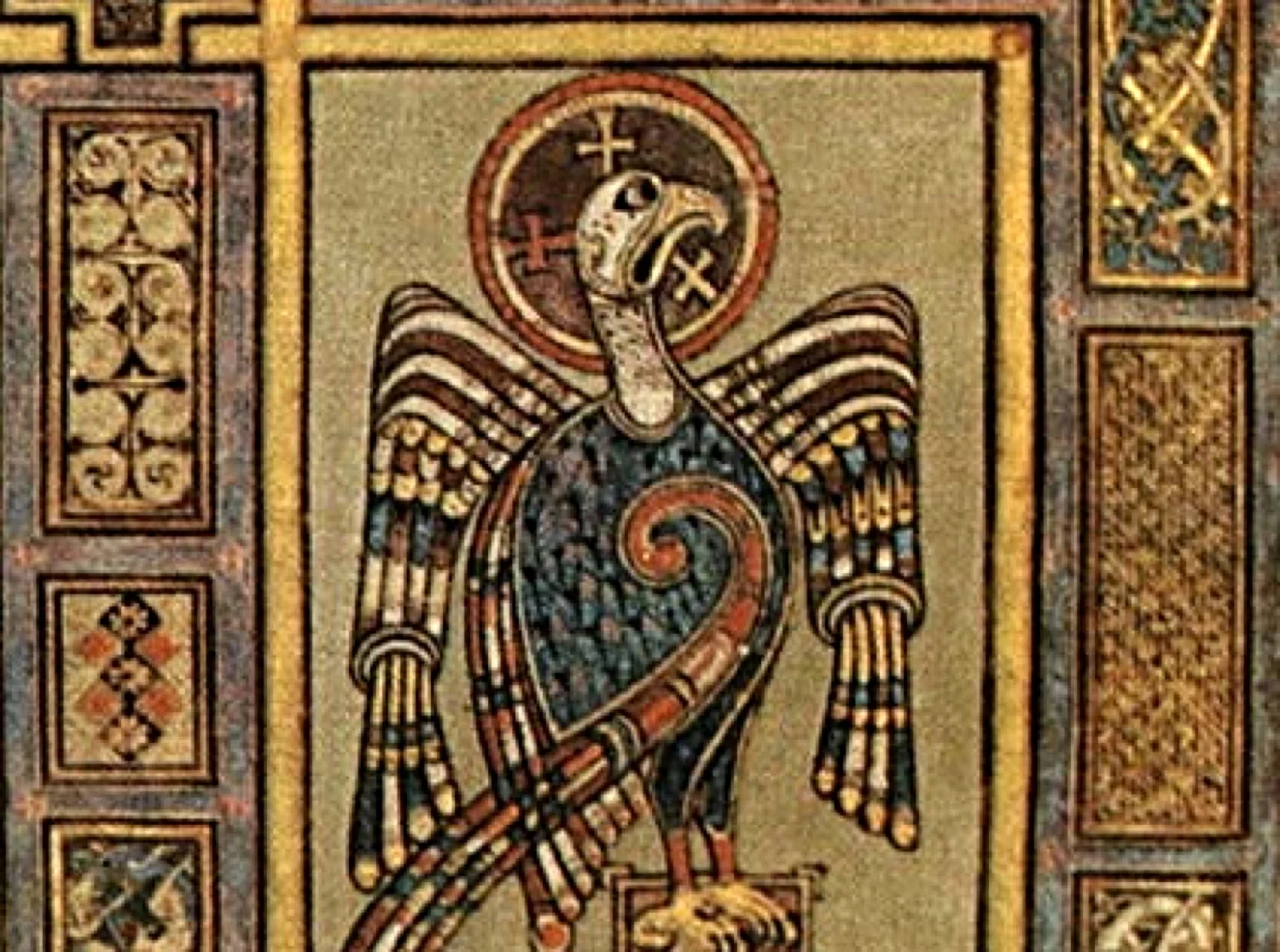
Diaconal functions of member formation in general and of the Catechumenate and of the Novitiate in particular are led and administered by Basileia’s Deacon Councils.
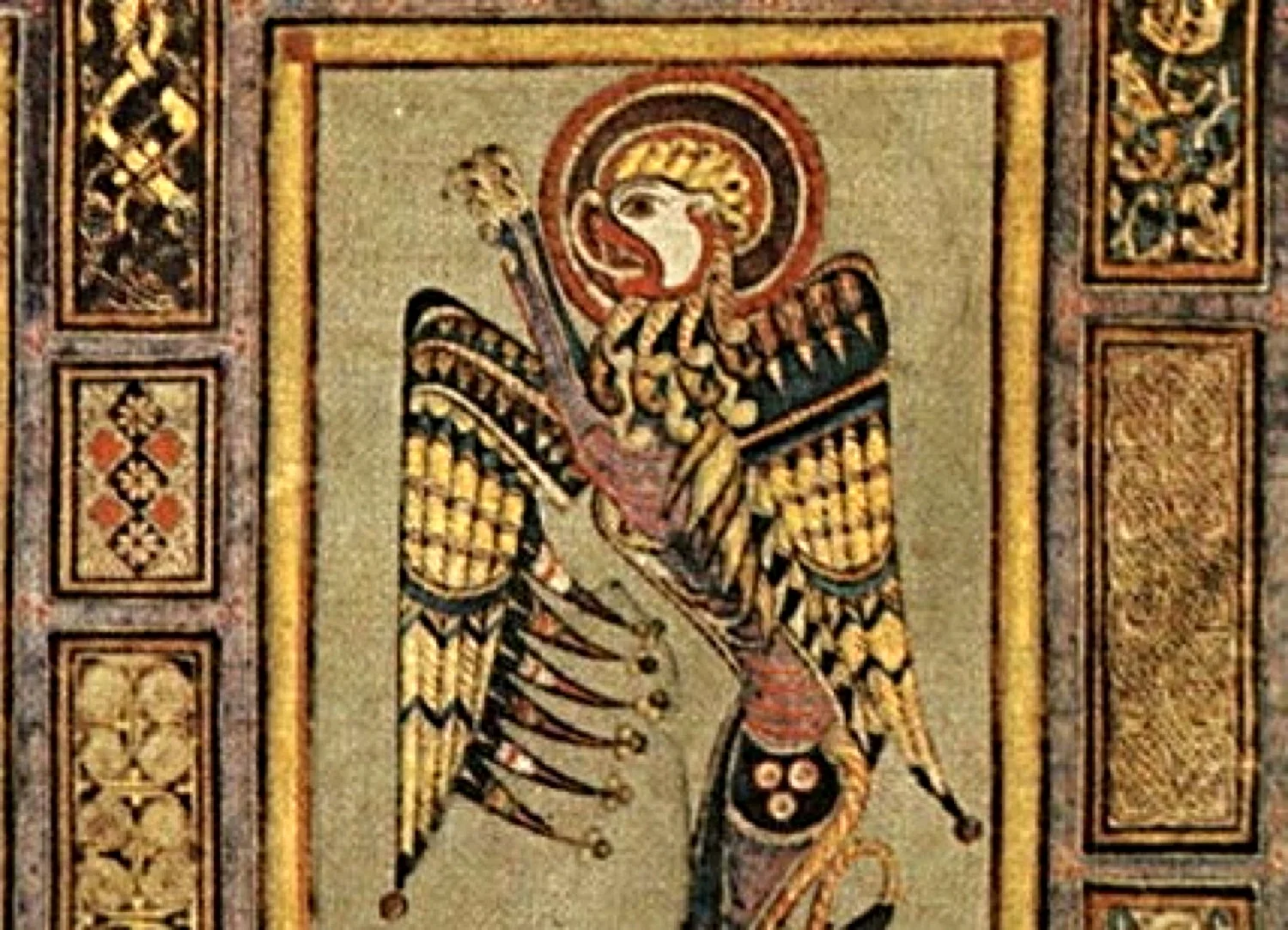
Forming jurisdictions, guarding Constitutional and Eucharistic boundaries and administering membership rites is the responsibility of Basileia’s Presbyter Councils.
For mortals, fantasy isn’t real but pretend. But fantasy in the hands of faithful immortals is the power of sanctified imagination to fuse thought and action and build worlds in the language of poetry, epic story, ceremony, liturgy, and ritual.