
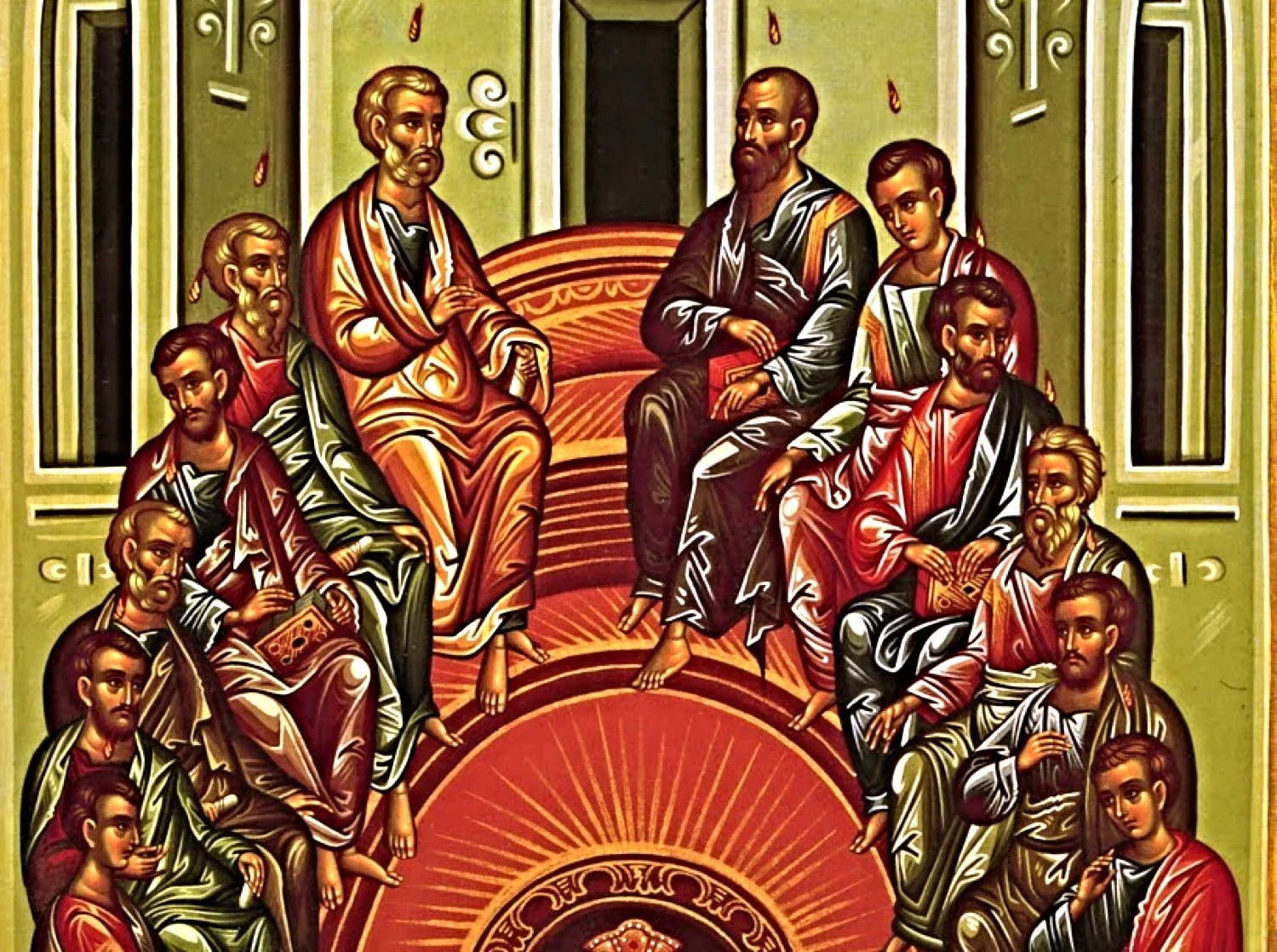
The Fallen World System is the problem for which kingdomculture embodied in the Capital C Church is the solution. Putting the phrase “Capital C” in front of the word Church is necessary in order to be clear that there’s more to the Church than just distinctive expressions of the Church like the “local church,” the “mission church,” the “house church,” the “mega church,” or the “established church.”
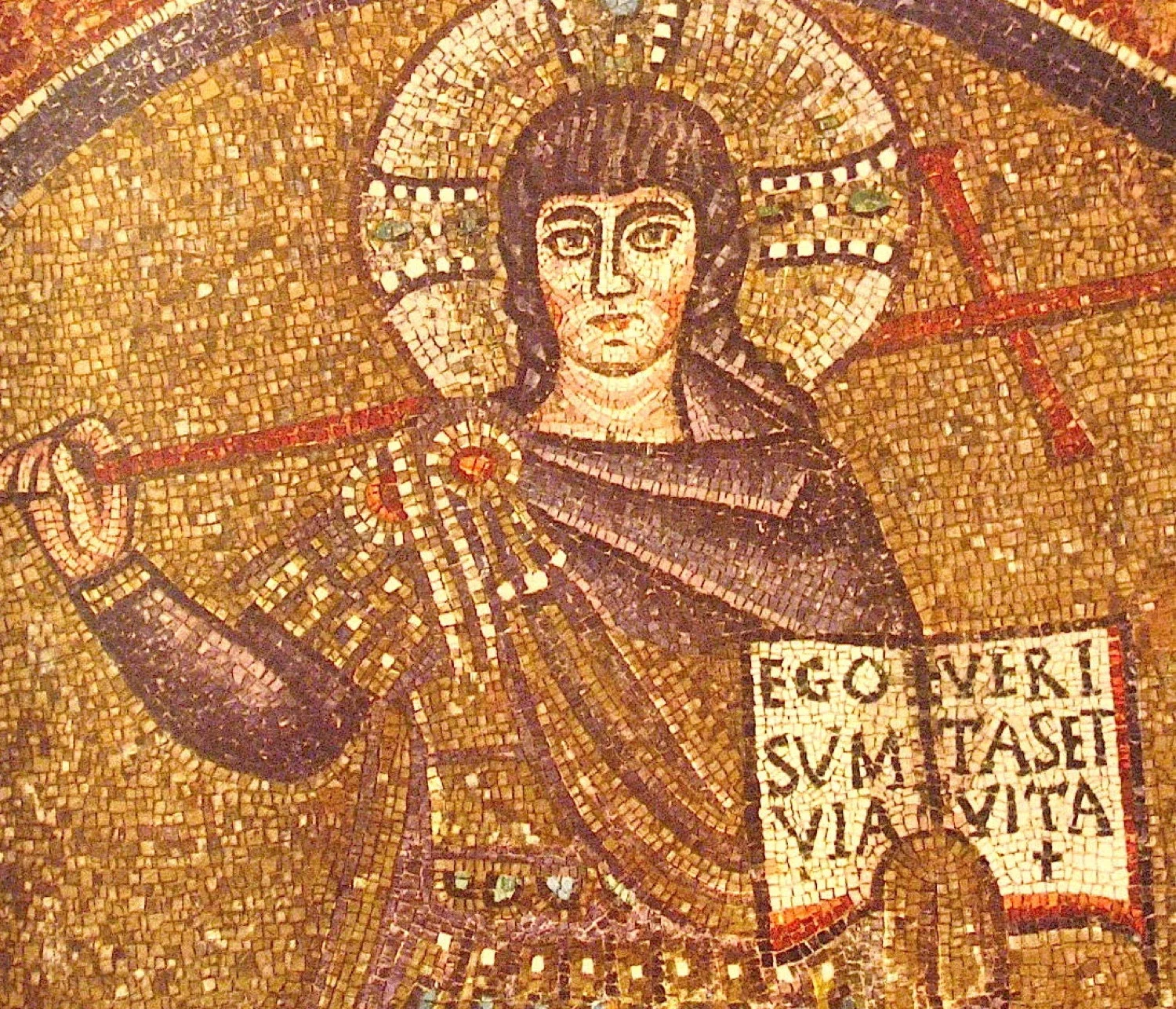
Christus Victor is the ancient, central, and unifying theme of the faith of God’s people since the beginning (Gen. 3:15). The prophets called it “the counsel of the Lord” (Jer. 23:18; cf. Amos 3:7). Paul referred to it when he spoke of the “good confession” that Jesus made before Pontius Pilate (1 Tim. 6:13). And Jesus Himself called it “the mystery of the kingdom of God” (Mk. 4:11).

The Constitution of Basileia expresses our charism, that is, the divine graces, distinctive orientation, spiritual qualifications, cultural ethos and special characteristics of the mission and values granted to us in Jesus Christ for the life of the world.

On the Seventh Sunday of Pascha (Easter), 2014, Basileians joyfully marked a milestone in the process of ratifying Basileia's Constitution. The Basileia Alliance Presbyter Council met in Session on May 31, 2014, and after considering and weighing the input of all, recognized and judged accordingly that Basileia as a whole has now ratified the Constitution. Thanks be to God.

Observing our Constitution as Overcomers is one of three practices by which we Listen to the Word, the other two being receiving the Word as Storytellers and interpreting the Word as Pattern-Keepers.
Observing Basileia's Constitution is a kingly practice of being Overcomers.
The Constitution of Basileia serves as a depository of the ways that the Lord has spoken to us as His Church through sacrament, Scripture and the Spirit. By observing what He says we are made bold and humble to dare to imagine kingdomcultural alternatives in all areas of thought and life. The Constitution expresses how Basileia overcomes dead ritualism in worship, dead traditions in life, and dead legalism in governance. The Constitution serves as our “rules of engagement” for how we employ the Liturgy, our Catechism and our Canons as weapons of spiritual warfare against all that sets itself up against the knowledge of God.

Following the Lectionary in rhythm with the Church Year is a priestly practice of being Storytellers.

Interpreting the Word according to the Apostolic Rule of Faith is a prophetic practice of embodying the Word as Pattern-Keepers.
In addition to the false dichotomy between “local church” and “mission church” we also face a great challenge in the false dichotomy between individual freedom and collective order in membership.